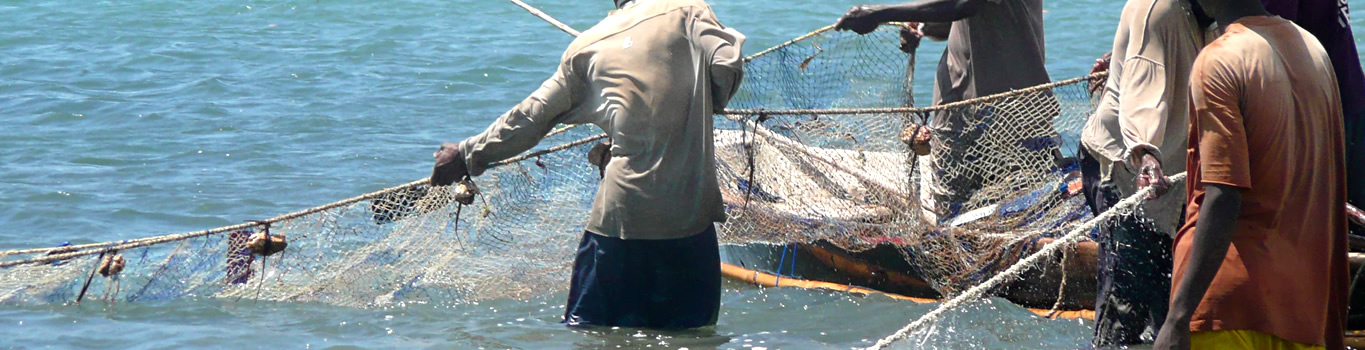
Longline Fisheries

Protecting Marine Resources, Sustaining Livelihoods

  • Home
  • Longline Fisheries

pelagikos has been working with the Seafood Exporters’ Association of Sri Lanka (SEASL), the DFAR and the Multiday Boat Owners’ Association – on and off – since 2014. The first collaboration with SEASL and the Sustainable Fisheries Partnership ended in January 2015, when the European Commission banned the importation of Sri Lankan seafood to the European Union due to concerns about illegal, unreported and unregulated (IUU) fishing. The second collaboration ended in 2021. The third collaboration between the SEASL, DFAR, multiday day boat owners and pelagikos to improve the biological and ecological status and the management effectiveness of Sri Lanka’s longline fisheries for tuna and billfish started in May, 2025. Fingers crossed, it will continue..

Biology & Ecology: Indian Ocean yellowfin tuna (Thunnus albacares) are marine, oceanic, highly migratory fish that live up to nine years, measure more than 203 cm and weigh up to 200 kilos. Yellowfin tuna form schools by size, either with other yellowfin tuna, other pelagic, oceanic fish species or as adults with marine mammals. Yellowfin tuna are found to a depth of 250 m in tropical waters. Schools of yellowfin tuna often associate with flotsam, jetsam and other floating objects. Yellowfin tuna are apex predators feeding on other fish species, squid and crustaceans.

Fisheries & Status: Sri Lanka’s large fleet of longline, multiday fishing deploy short, drifting longlines (< XX km) with up to 1,000 hooks (No. XX) per set, at depths of between XX m and XX m to target yellowfin tuna. Big-eye tuna (Thunnus obesus), swordfish (Xiphias gladius), sailfish (Istiophorus platypterus), blue marlin (Makaira nigricans), black marlin (Istiompax indica) and striped marlin (Kajikia audax) are an important part of the retained non-target species (bycatch) from the longline fishery, comprising roughly XX%, XX%, XX%, XX%, XX% and XX% of the longline catch respectively. Yellowfin tuna, big-eye tuna, swordfish, sailfish and marlin species are all managed by the IOTC. The IOTC’s assessment of the Indian Ocean yellowfin tuna fishery in 2024 determined that the probability of the stock being in the green Kobe quadrant was 89% i.e. the fishery was sustainable. On the weight-of-evidence available in 2024, the yellowfin tuna stock was determined to be not-overfished and not-subject to overfishing

Sustainable Sri Lankan Seafood: The majority of the catch and all of the sailfish, blue, black and striped marlin are sold to domestic seafood markets. Yellowfin tuna, big-eye tuna and swordfish amounting to less than 10% of the total catch are exported fresh (chilled) or frozen to seafood markets in the EU and North America. The export value of tuna and billfish was US$ 200 million in 2024.

Useful links, downloads & videos
Sri Lanka Tuna Fisheries Improvement Project. FisheryProgress
Executive Summary: Yellowfin tuna (2024). Indian Ocean Tuna Commission
Executive Summary: Big-eye tuna (2024). Indian Ocean Tuna Commission
Executive Summary: Swordfish (2024). Indian Ocean Tuna Commission


Our Approach & Methodology

Pelagikos begins with evidence-based assessment, analyzing fisheries, ecosystems and community needs to design practical and sustainable management strategies.

We implement solutions collaboratively with communities, industry, and government, ensuring compliance, monitoring, and long-term conservation impact.

Get in touch with us today to discuss further.

Key focus

Pelagikos focuses on sustainable fisheries management, protecting marine biodiversity, and preventing illegal fishing, ensuring responsible use of Sri Lanka’s coastal, offshore, and high-seas resources.

  • Sustainable Fisheries Management
  • Conservation & Protection.
  • Compliance & Illegal Fishing Prevention

Expertise in Marine Fishery

Pelagikos offers expert guidance on managing Sri Lanka’s marine fisheries, blending scientific research, community collaboration, and policy support to promote sustainable practices.

  • Sustainable management of all marine fisheries
  • Protection of marine biodiversity
  • Combatting illegal and unregulated fishing

Frequently asked questions

Pelagikos offers expert guidance on fisheries management, marine conservation, policy support, and sustainable seafood practices across coastal, offshore, and high-seas fisheries.
We promote responsible fishing practices, protect marine biodiversity, develop marine protected areas, and reduce the impact of fishing on endangered and protected species.
Pelagikos works closely with fishing communities, seafood exporters, government agencies, and non-government organizations to improve fisheries management and ensure sustainability.
Sri Lanka’s marine fisheries include coastal, offshore, and high-seas sectors, supporting thousands of fishermen while facing challenges like overfishing and ecosystem pressures.
Marine conservation ensures sustainable fish stocks, protects biodiversity, and supports livelihoods, while maintaining the health of coastal and offshore ecosystems.
© Pelagikos 2025 - All rights reserved.