pelagikos has designed, coordinated, implemented, monitored and evaluated improvements to biological and ecological status and the management of the blue swimming crab fisheries in the Palk Bay and the Gulf of Mannar since 2015.
Biology & Ecology: Blue swimming crabs (Portunus pelagicus) are small (< 200 mm carapace width), short lived (less than 4 years), fast growing (max. 350 g), highly fecund (> 2.8 million eggs), carious marine crustaceans. Blue swimming crab are common in shallow waters (< 10 meters), over muddy / sandy substrates from the coast of Africa, along the perimeter of the Arabian Sea to Sri Lanka and throughout southeast Asia to the western coast of Australia. Populations of blue swimming crabs can be found off the west coast of Sri Lanka northwards from Colombo, off the north coast and off the east coast at Mullaithivu.
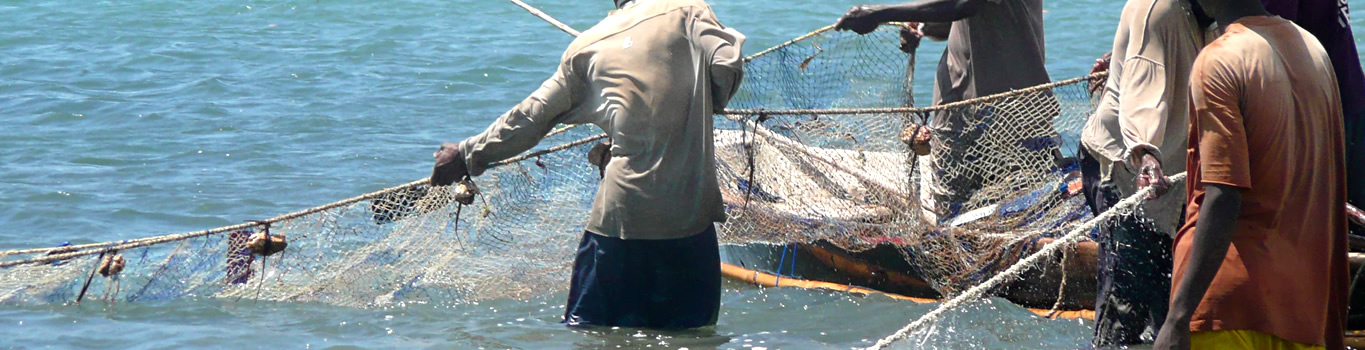
Fisheries / Stocks: Two populations of blue swimming crabs are the focus of key coastal export fisheries. Blue swimming crabs in the Palk Bay and in the Gulf of Mannar are harvested by around 4,500 fishermen operating from 70+ landing centres in four Fisheries Districts, using non-motorised and motorised small scale fishing craft. Blue swimming crabs are traditionally harvested using 4½” bottom-set, entangling crab nets made of less than 6 ply twine. The status of the stock in 2024 was sustainable and the biomass was underfished. There was no evidence of growth or recruitment overfishing in the Palk Bay or the Gulf of Mannar fisheries.
Production & Markets: Blue swimming crabs are processed and exported as fresh / frozen whole and cut crab products to markets in the United States of America, COUNTRY, COUNTRY, and COUTNRY. 128 mt of blue swimming crab seafood products were exported in 2024, with a value of US$ 24 million.
Sustainable Seafood: The Sri Lanka blue swimming crab fisheries improvement project was initiated by the National Fisheries Institute Crab Council and the Seafood Exporters’ Association of Sri Lanka in 2013.
The two fisheries were rated as a GOOD ALTERNATIVE by the Monterrey Bay Aquarium’s Seafood Watch programme in 2018. The eco-rating for the two fisheries was retained in 2023. The fisheries in the Palk Bay and in the Gulf of Mannar are the first fisheries in Sri Lanka and the only blue swimming crab fisheries in South and Southeast Asia to be rated as ‘sustainable’ by an international ratings agency. The two fisheries were entered into Full Assessment against the Marine Stewardship Council’s Fisheries Standard in September, 2025. The outcome of the certification process will be known by the end of December, 2025.
Useful links, downloads & videos
Species Profile: Blue swimming crab
Sri Lanka blue swimming crab fisheries improvement project
Seafood Watch Recommendation
Sri Lanka Blue Swimming Crab Report, 2023. Monterrey Bay Aquarium
Blue swimming crab fisheries management regulations, 2022.
Marine Stewardship Council
Announcement Comment Draft Report, 2025. Control Union United Kingdom
Palk Bay Fishery Assessment, 2024.
Gulf of Mannar Fishery Assessment, 2024
|