Coastal Fisheries Management

Protecting Marine Resources, Sustaining Livelihoods

  • Home
  • Coastal Fisheries Management

pelagikos currently works to improve the management of blue swimming crab, giant mud crab, spiny lobster, reef fish and small pelagic fisheries with fishing communities, the private sector and government agencies in ten DFAR Fisheries districts. Interventions implemented by pelagikos in coastal fisheries are co-financed by the National Fisheries Institute Crab Council, Taprobane Seafood Group (Pvt) Ltd, CM Blue Crab (Pvt) Ltd, Direct Source Seafood LLC, The Ocean Union, Harbour Seafood LLC and Blue Resources Trust under Oceans5 - Sustainable Fisheries and Protected Areas in Sri Lanka project.

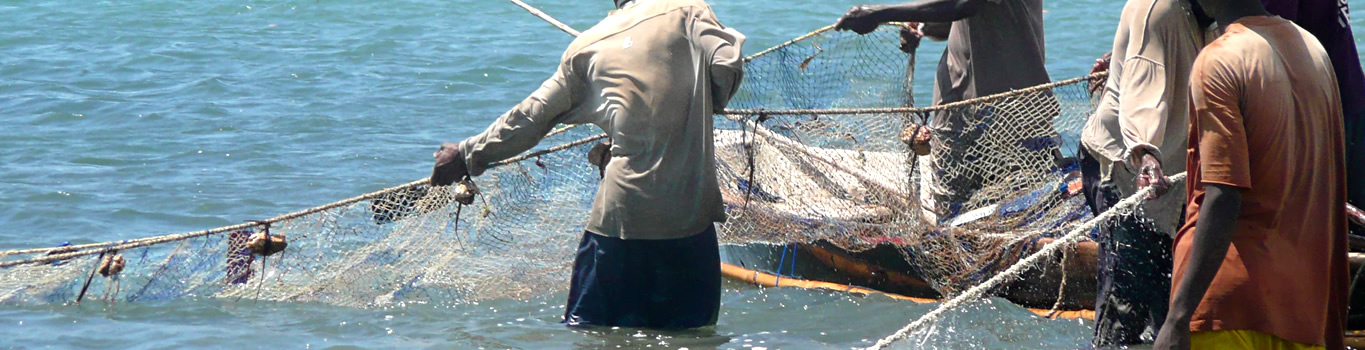
Coastal Fisheries Management: More than 760 small scale fisheries landing centres are dotted along Sri Lanka’s 1,700 km coastal line. Fishermen use beach seine craft, non-motorised traditional boats, motorised traditional boats and fibre- reinforced plastic boats (< 9 m LOA) to harvest fish from coastal fisheries. 88% of Sri Lanka’s fleet was made up of coastal fishing crab measuring less than 9 m length overall in 2024 (43,052). Coastal fishermen use a variety of fishing gears including seine nets, hand lines, trolling lines, pelagic and demersal longline lines, drifting and bottom-set gillnets, entangling nets jigs and traps to harvest fish from pelagic and demersal fisheries. More than 30 species finfish as well as rays, prawns and crabs, squid, cuttlefish, conch and sea cucumber belonging to at least 26 families are commonly harvested by coastal fishermen.

Coastal fisheries contributed 57% (249,020 mt) of Sri Lanka’s total marine fisheries production (439,370 mt) and 47% of Sri Lanka’s national fish production (527,060 mt) in 2024, despite operating in less than 10% of Sri Lanka’s exclusive economic zone (EEZ).

The catch from the coastal fishery is dominated by small pelagic species (e.g. anchovies, sardinellas and ponyfish). The catch of small pelagic species plays an important role in national food security, providing a key source of protein for domestic consumption. Demersal finfish associated with reefs such as snappers, job fish, emperor fish and groupers; coastal pelagic species such as jacks, trevallies, scads, queenfish, runners, barracuda and mackerels as well as benthic dwelling rays are also important species in coastal fisheries. These fisheries are also mostly consumed by domestic seafood markets. Spiny lobsters, blue swimming crabs and giant mud crabs are important species in coastal crustacean fisheries. The production is either exported or consumed by Sri Lanka’s international and domestic tourism industry.

Indian white prawns, tiger prawns and flower prawns are key coastal and brackish water fisheries, highly sought after by both tourism and export industries. Squid, cuttlefish, sea cucumber and conch fisheries are locally important invertebrate fisheries off the northwest and northern coast. The production from these fisheries is mostly exported. Coastal crustacean, other invertebrate and brackish-water fisheries contribute comparatively little to overall coastal fisheries production, but generate important revenue streams for coastal fishing communities by servicing Sri Lanka’s tourism and seafood exports industries.

Useful links, downloads & videos
Key coastal fisheries in Sri Lanka
Priorities for Sustainably Managing Sri Lanka’s Marine Fisheries, Coastal Aquaculture, and the Ecosystems that Support Them, 2021. The World Bank


Our Approach & Methodology

Pelagikos begins with evidence-based assessment, analyzing fisheries, ecosystems and community needs to design practical and sustainable management strategies.

We implement solutions collaboratively with communities, industry, and government, ensuring compliance, monitoring, and long-term conservation impact.

Get in touch with us today to discuss further.

Key focus

Pelagikos focuses on sustainable fisheries management, protecting marine biodiversity, and preventing illegal fishing, ensuring responsible use of Sri Lanka’s coastal, offshore, and high-seas resources.

  • Sustainable Fisheries Management
  • Conservation & Protection.
  • Compliance & Illegal Fishing Prevention

Expertise in Marine Fishery

Pelagikos offers expert guidance on managing Sri Lanka’s marine fisheries, blending scientific research, community collaboration, and policy support to promote sustainable practices.

  • Sustainable management of all marine fisheries
  • Protection of marine biodiversity
  • Combatting illegal and unregulated fishing

Frequently asked questions

Pelagikos offers expert guidance on fisheries management, marine conservation, policy support, and sustainable seafood practices across coastal, offshore, and high-seas fisheries.
We promote responsible fishing practices, protect marine biodiversity, develop marine protected areas, and reduce the impact of fishing on endangered and protected species.
Pelagikos works closely with fishing communities, seafood exporters, government agencies, and non-government organizations to improve fisheries management and ensure sustainability.
Sri Lanka’s marine fisheries include coastal, offshore, and high-seas sectors, supporting thousands of fishermen while facing challenges like overfishing and ecosystem pressures.
Marine conservation ensures sustainable fish stocks, protects biodiversity, and supports livelihoods, while maintaining the health of coastal and offshore ecosystems.
© Pelagikos 2025 - All rights reserved.