Fisheries Management
Protecting Marine Resources, Sustaining Livelihoods

Protecting Marine Resources, Sustaining Livelihoods
|
|
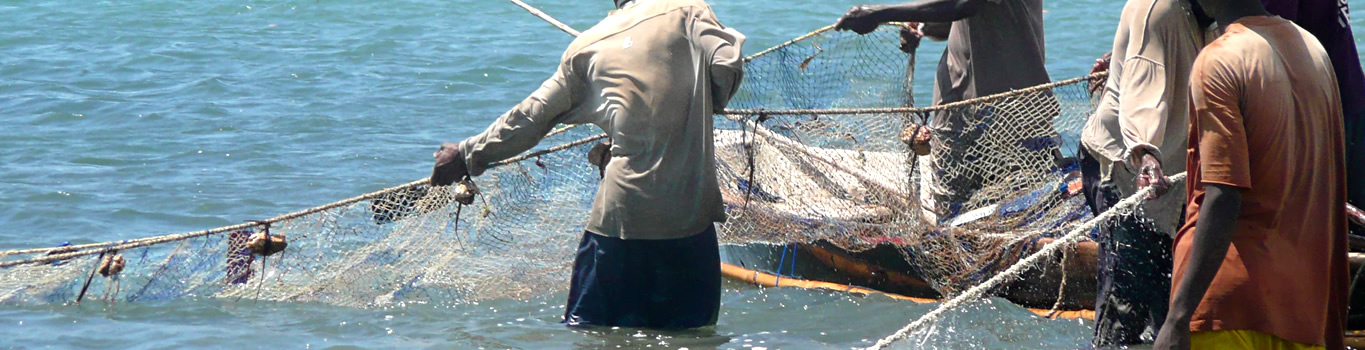
Pelagikos begins with evidence-based assessment, analyzing fisheries, ecosystems and community needs to design practical and sustainable management strategies. Fisheries Management: Sri Lanka is a medium sized island (65,000 km2) that sits off the southeast coast of the Indian sub-continent. The island’s continental shelf is relatively narrow, averaging around 17 km from the shore. More than 90% of Sri Lanka’s exclusive economic zone (EEZ | 517,000 km2) comprises deep, relatively unproductive oceanic waters. The Department of Fisheries and Aquatic Resources (DFAR) is the lead government agencies responsible for the management, regulation, development and conservation of fisheries in Sri Lanka. The Fisheries and Aquatic Resources Act No. 2 of 1996 and amendments is the principal legal enactment that applies to Sri Lankan fisheries. The Fisheries (Regulation of Foreign Fisheries Boats) No X of 1979 and amendments regulates the activities of foreign fishing boats in Sri Lanka’s EEZ. According to the government’s annual fisheries statistics 225,480 registered fishermen belonging to 188,940 fishing households with a population of 807,550 were dependent on marine fisheries in 2024. 49,271 fishing craft were registered under 15 Fisheries District Offices to operate in coastal, offshore and high-seas fisheries. The estimated total harvest of fish from Sri Lanka’s marine and brackish waters was 308,430 mt.
Useful links, downloads & videos |
Pelagikos begins with evidence-based assessment, analyzing fisheries, ecosystems and community needs to design practical and sustainable management strategies.
We implement solutions collaboratively with communities, industry, and government, ensuring compliance, monitoring, and long-term conservation impact.
Get in touch with us today to discuss further.
Pelagikos focuses on sustainable fisheries management, protecting marine biodiversity, and preventing illegal fishing, ensuring responsible use of Sri Lanka’s coastal, offshore, and high-seas resources.
Pelagikos offers expert guidance on managing Sri Lanka’s marine fisheries, blending scientific research, community collaboration, and policy support to promote sustainable practices.